Since the implementation of China’s reform and opening-up policy, in order to promote rapid and high-quality development of agriculture and rural economy, we have adhered to the principle of starting from our own national conditions, carefully studying, learning from, and introducing advanced agricultural technologies and development models from other countries. This has been done to continuously optimize our agricultural industry structure, improve the overall agricultural productivity, and accelerate the modernization of agriculture.
To this end, the Ministry of Agriculture and Rural Affairs of China has established a bilateral agricultural cooperation mechanism with the Australian Department of Agriculture, forming the China-Australia Agricultural Joint Committee. In 2006, as the Chinese chairman of the China-Australia Agricultural Joint Committee, I led a delegation from the Chinese Ministry of Agriculture (now the Ministry of Agriculture and Rural Affairs) to Australia for the ninth meeting of the committee. This was also my third visit to Australia.
Throughout the long-term cooperation and exchange with Australia in the field of agriculture, I have closely followed and studied the fundamental experiences of Australia’s agricultural development. After careful review and analysis, I would like to share some views and work experiences regarding Australia’s agricultural development path
Basic Information
Australia is located between the South Pacific and the Indian Ocean, with a total area of 7.692 million square kilometers and a population of approximately 26 million. It consists of the Australian continent and islands such as Tasmania. It is a solitary continent and the only continent in the world occupied by a single country. Australia is also one of the oldest lands on Earth, resembling a vast leaf drifting alone in the expansive ocean, evoking a sense of being distant from the hustle and bustle of the world and offering peace and tranquility.
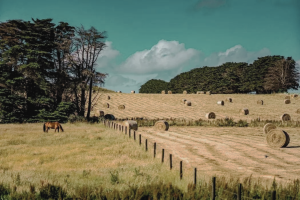
The entire country of Australia is characterized by flat terrain and vast grasslands, making it the country with the largest area of natural grasslands in the world. Agricultural and pastoral land accounts for more than 60% of the country’s total area. Among this, the area of pastures makes up 12.4% of the world’s total pasture area.
Agriculture and animal husbandry are traditional economic sectors in Australia, particularly livestock farming, which is both an important pillar of the country’s economy and holds significant global importance. For this reason, Australia is often referred to as the “country riding on the back of sheep.”
Originally, Australia had no advanced mammals, and even sheep and rabbits were brought in from other continents. The region is rich in pasture, has abundant groundwater, and features a hot, dry climate that is ideal for sheep growth and reproduction. In 1797, British colonists brought 29 merino sheep from Spain, and they quickly began to thrive. By the 1820s, the sheep population reached 60 million, and by 1970, it had soared to 180 million, with wool production reaching 900,000 tons, making Australia the global leader in wool production.
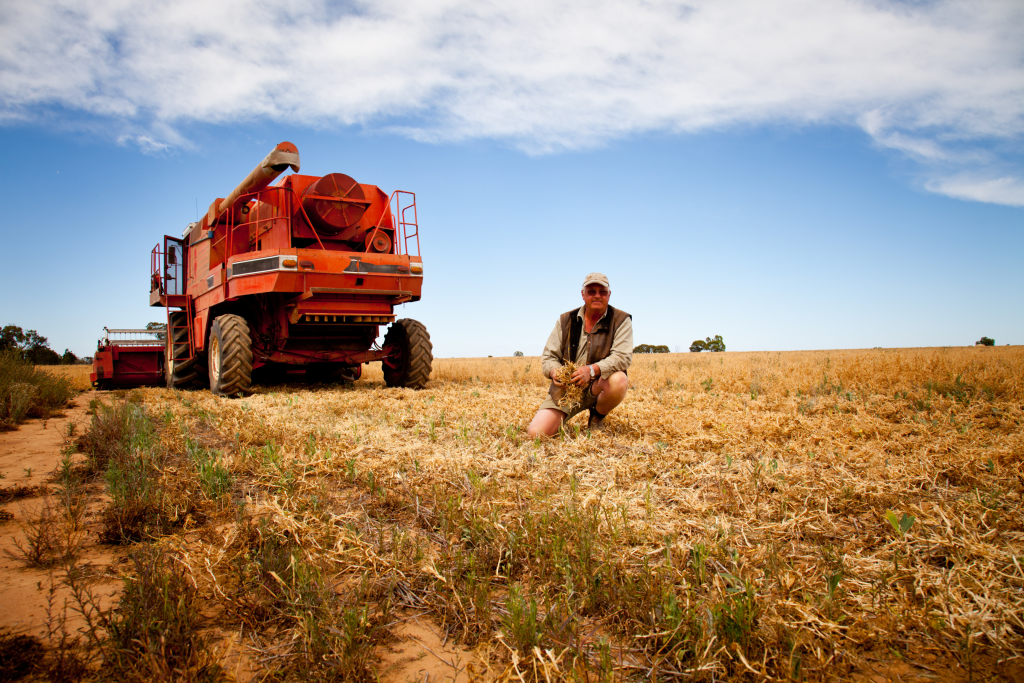
By the 1980s, the number of sheep in Australia began to decline. In 1981, the sheep population stood at 134 million, accounting for 12% of the global total, ranking third in the world. However, wool production and export still held the top position globally, accounting for 27% of world production and over 50% of exports. Additionally, Australia ranked third in lamb production. Sheep farming has long been an important economic pillar in the country, playing a prominent role in both the gross national product and export trade. Sheep farming in Australia is primarily concentrated in the eastern and western regions, particularly in the states of New South Wales, Victoria, South Australia, and Western Australia, which together account for over 86.8% of the nation’s total sheep population.
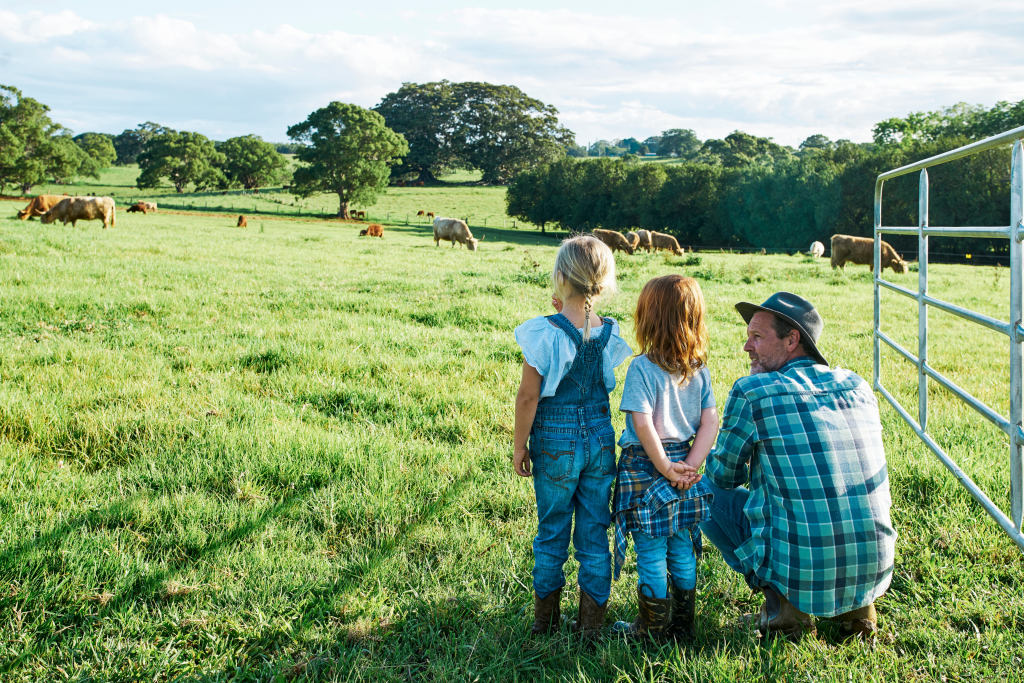
Agriculture and animal husbandry in Australia are mainly operated in the form of large farms, with the average farm size in the country being about 3,060 hectares. Farms larger than 20,000 hectares make up 1.1% of the total number of farms, but they hold 70% of the agricultural land.
Australia has fully mechanized its farming sector, including crop cultivation, livestock management, wool shearing, milking, and slaughtering. The realization of agricultural mechanization has significantly boosted labor productivity. Less than 3% of the population is engaged in agriculture, yet they produce enough agricultural and pastoral products to meet the domestic demand and generate substantial exports. Each agricultural worker contributes enough wealth to support nearly 40 people, making Australia one of the countries with the highest agricultural labor productivity in the world.
Currently, Australia is one of the world’s leading producers and exporters of agricultural and pastoral products, with agricultural exports accounting for more than 40% of the country’s total exports. Many of its products hold significant global positions. However, due to the rapid development of other sectors, the share of agriculture and pastoralism in the national economy has been steadily declining.
Since the end of World War II, especially during the 1970s, Australia experienced what is often called the “golden age” of economic development. The country saw rapid economic growth, and its global standing significantly improved. One of the main reasons for Australia’s fast post-war economic development was that it was not heavily damaged during the war and was instead able to experience new growth. The country placed great emphasis on intellectual investment, was adept at absorbing advanced foreign technology, saw a large influx of immigrants, and provided legal protection for the economic interests and autonomy of various enterprises, creating a favorable environment for production development. At the same time, the structure of Australia’s industrial sectors underwent significant changes. Before the war, Australia was predominantly an agricultural and pastoral country, with industrial development hindered by competition from British goods. After the war, due to a focus on optimizing industrial structure, agriculture and animal husbandry continued to develop, but the fastest-growing sectors were mining and industry, which became the dominant sectors in the national economy. The output of these sectors accounted for 80% of total industrial and agricultural output and one-third of the national GDP. Among single export commodities, iron ore and coal surpassed wool, accounting for nearly 40% of total exports. As a result, people say that Australia has shifted from “riding on the back of sheep” to “riding on the back of the mining cart.”
Australia is now one of the world’s leading mineral producers and exporters. The country holds a prominent position in global reserves, extraction, and exports of various minerals. Australia has developed a relatively complete and strong industrial system, focused on metallurgy, machinery, chemicals, and food processing, making it a developed industrialized nation.
Experience and Advantages
Australia has divided its agricultural and pastoral production areas into different regions based on the natural and socio-economic conditions of each area. This regional division of labor in agriculture and pastoralism follows the principles of regionalization and specialization, making use of local strengths and avoiding weaknesses, which has effectively utilized the natural advantages of various regions and improved land productivity. This is an important measure in Australia’s agricultural management. The agricultural and pastoral production areas are divided into three main regions:
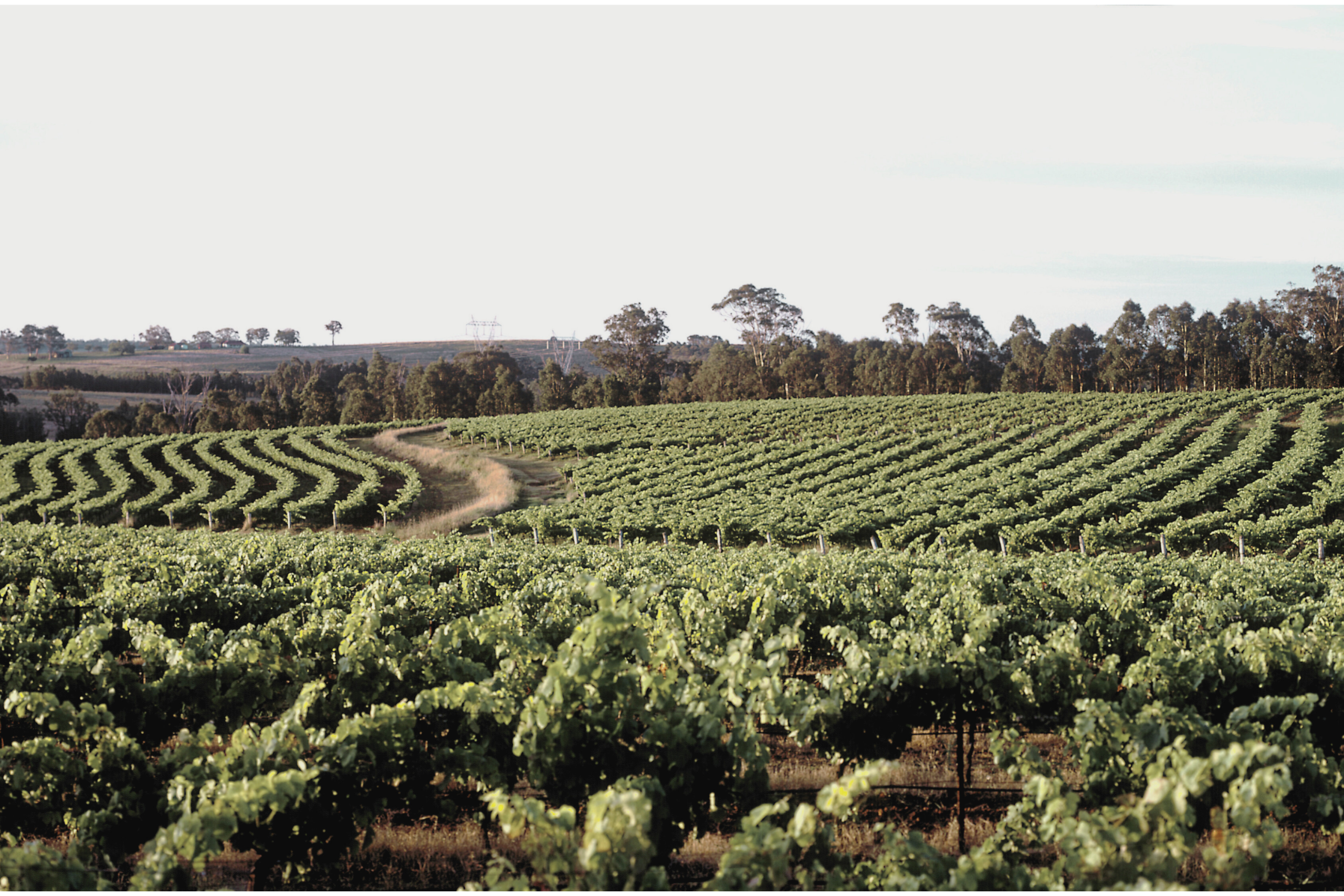
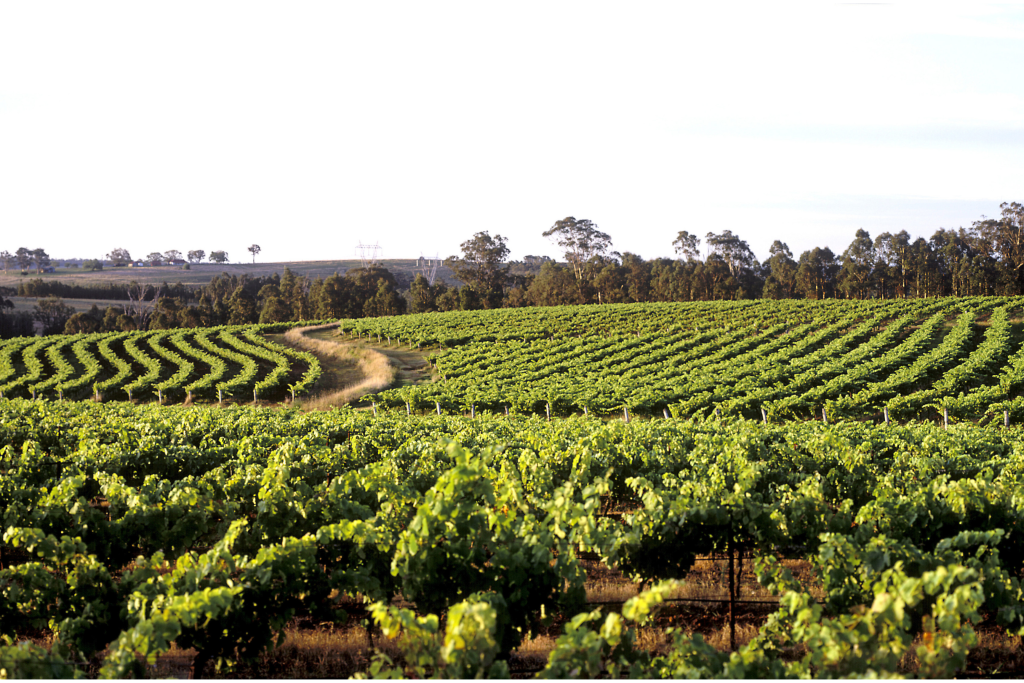
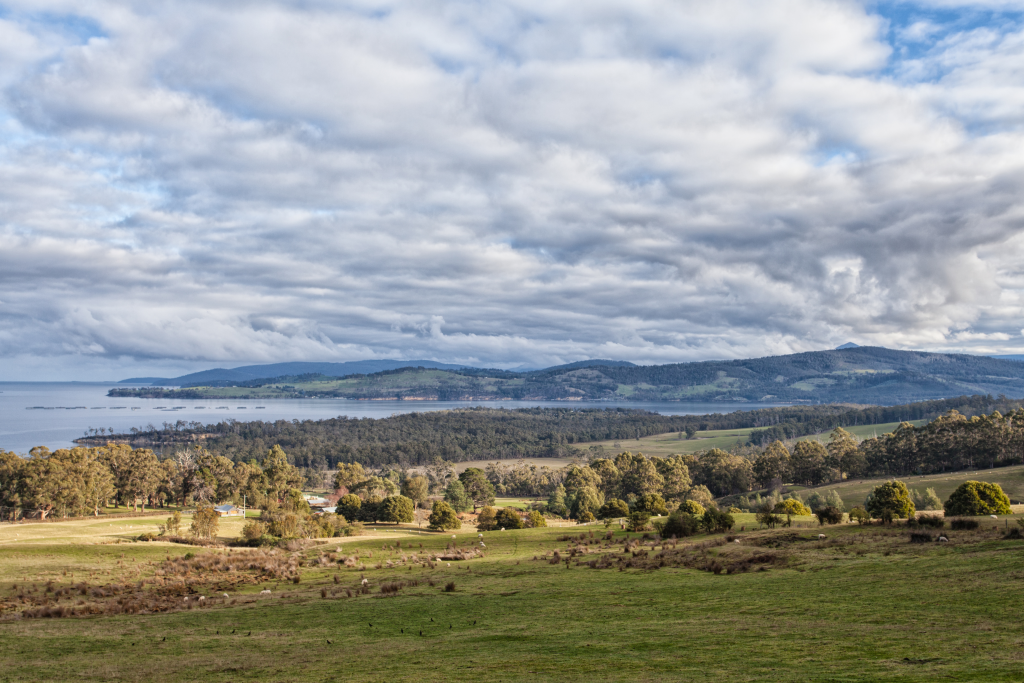
1.Highly Intensive Production Zone: This zone mainly includes the southeastern coastal area, the western coastal area, and Tasmania. These regions are rich in water and heat resources, with annual rainfall ranging from 600 to 1,000 millimeters and effective rainfall lasting for over 9 months. The soil is fertile, the pastures are of high quality, and artificial grasslands are common. The carrying capacity is high, with one-third of the national sheep flock grazing in this region. High-quality wool is primarily produced here, and the production of food crops, economic crops, fruits, and vegetables is highly developed. This area has a dense population, and its industries and transportation systems are well-developed, making it the political, economic, and cultural center of Australia.
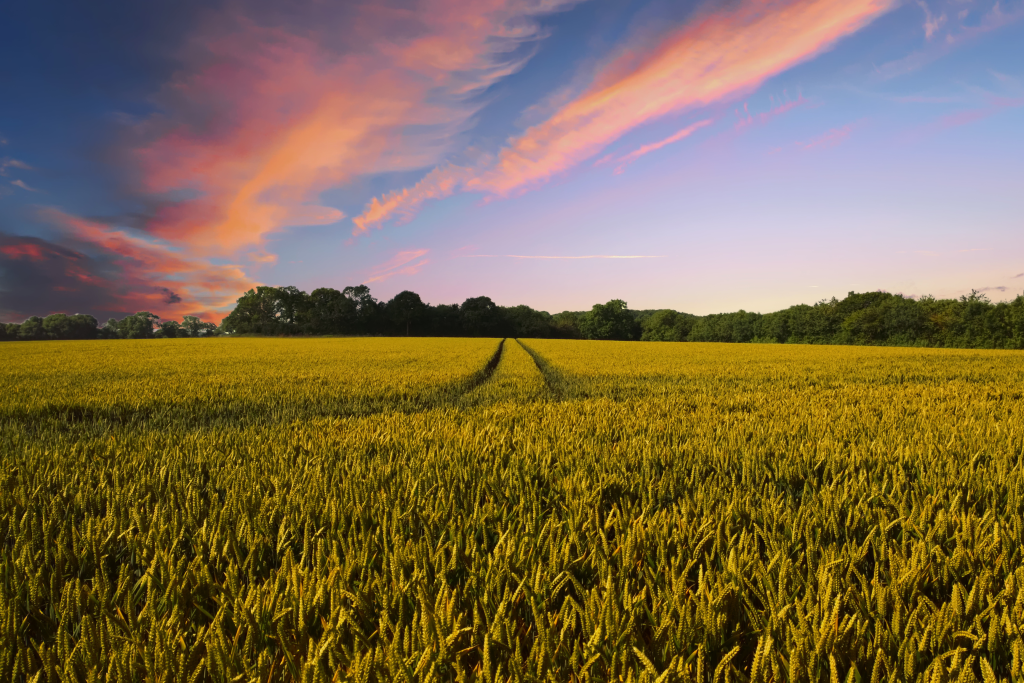
2.Mixed Farming and Pastoral Zone: This region has annual rainfall ranging from 400 to 600 millimeters, with effective rainfall lasting between 5 to 9 months. It is a transition zone from semi-arid to semi-humid areas, covering about 55 million hectares. The main characteristic of this region is the rotation between food crops and pasture. Wheat is the main crop, with wheat grown in one year and pasture in the next. Most farms operate combined businesses involving wheat, cattle, and sheep farming. The integration of agriculture and pastoralism promotes mutual benefits, making this zone a stable area for both agricultural and pastoral production. Sheep farming in this zone accounts for about half of the national total, and it is also a major area for beef and wheat production.
3.Pastoral Zone: This zone, located in the arid and semi-arid interior of Australia, is the largest of the three regions, covering about 40% of the country’s grazing area, with annual rainfall below 400 millimeters. The climate is dry, vegetation is sparse, and water and pasture conditions are poor. The carrying capacity is low, and grazing is very extensive. Sheep in this area account for about 10% of the national total, and the region has limited transportation and a small population.
Through long-term practical experience, the people of Australia have gradually developed and integrated a dryland farming system—called the grassland cropping system—which alternates between crop cultivation and pasture grazing. This system combines grain production with livestock production. Farmers grow wheat, barley, or oats on part of their land for export, while producing pasture (mainly leguminous forage) for grazing livestock on another part. Some farmers also use the grain they produce to raise pigs and poultry. This integrated approach not only improves soil structure, increases land fertility, controls soil erosion, and protects ecological balance, but also brings high economic returns to agricultural and pastoral production. Since the full implementation of the grassland cropping system in pastoral areas, the production of grain, sheep numbers, and wool output has significantly increased. Additionally, this farming system has effectively adjusted the supply and demand of agricultural and pastoral products in the market, alleviated the impact of natural disasters on agricultural and pastoral production, and stabilized the development of the industry, reducing fluctuations in farmers’ economic returns.
To further improve the productivity of agriculture and pastoralism, the Australian government places great importance on developing agricultural education and research. In addition to setting up agricultural departments in comprehensive universities, Australia has established several independent agricultural colleges and research institutions. These institutions invest in the latest instruments and equipment and hire renowned scholars and experts to serve in teaching and research roles. In terms of training agricultural talent, Australia emphasizes the connection to practical production. Both the professional setup and course arrangements are closely linked to the country’s agricultural practices. Particular attention is paid to foundational teaching and the development of basic skills, as well as nurturing versatile talents for agriculture and pastoralism, reflecting a comprehensive approach to agricultural management.
Due to the high level of scientific and technological literacy among Australian farmers, advanced technologies are quickly disseminated. Australia has clear regulations that anyone engaged in farming must have at least an undergraduate degree or come from a farming family and complete 1-2 years of basic courses at university to qualify for managing a farm. These farm operators maintain close ties with their universities and faculty, allowing them to quickly seek help when facing production issues. If the issues are regional, they are raised through professional organizations, which then report to teaching or research units. These units have fixed, geographically specific teams responsible for guiding and resolving practical production problems. In cases of individual issues, farm owners can fund special research projects with universities or research institutes to address them. For regional issues, funding can come from either academic societies, local governments, or other local departments. These research projects are often short-term and solution-oriented, focusing on immediate production needs. The results are quickly applied to production practices and widely disseminated.
Problems and Insights
However, Australia also faces several challenges in its economic development, such as its heavy reliance on international markets. Many sectors in Australia have high export rates, particularly in agriculture, livestock, and mineral products. For instance, 70%-75% of wheat production, 95% of wool, and 50%-90% of some key mineral products are exported. Today, Australia has become one of the world’s largest exporters of products like wool, beef, iron ore, lamb, wheat, and coal. Additionally, manufacturing products like automobiles also account for a significant portion of exports, while complex machinery, instruments, and other goods needed domestically require substantial imports. When international political situations, economic conditions, and market trends fluctuate significantly, they can have a major impact on Australia’s economic situation and its position in the world.
Furthermore, there is an imbalance in production layout and industrial distribution. Australia’s economy is highly concentrated along the coastal areas, with most industries, agriculture, transportation, and urban populations centered in these regions, especially in the southeastern coastal area. In contrast, the vast inland areas have lagging production, with only scattered mining activities and extensive livestock farming, and many regions remain undeveloped.
After careful analysis and comparative study, the following insights have been gained:
1.We must start from our own national conditions, focusing on optimizing and adjusting the agricultural industry structure and ensuring a reasonable distribution of agricultural production areas.
2.We must consistently adhere to the policy of “more support, less control, and greater flexibility,” increase agricultural investment, reduce the burden on farmers, and encourage farmers to engage in entrepreneurship and employment.
3.We should persist in the long-term efforts to improve the scientific and technological training of farmers and promote the widespread adoption of advanced practical technologies.
4.We should strengthen international agricultural cooperation and exchange, learn from and introduce advanced agricultural science and technology, accelerate the modernization of agriculture with Chinese characteristics, and build a strong agricultural nation.
News source:https://nyncw.cq.gov.cn/zwxx_161/ywxx/202401/t20240116_12826759.html