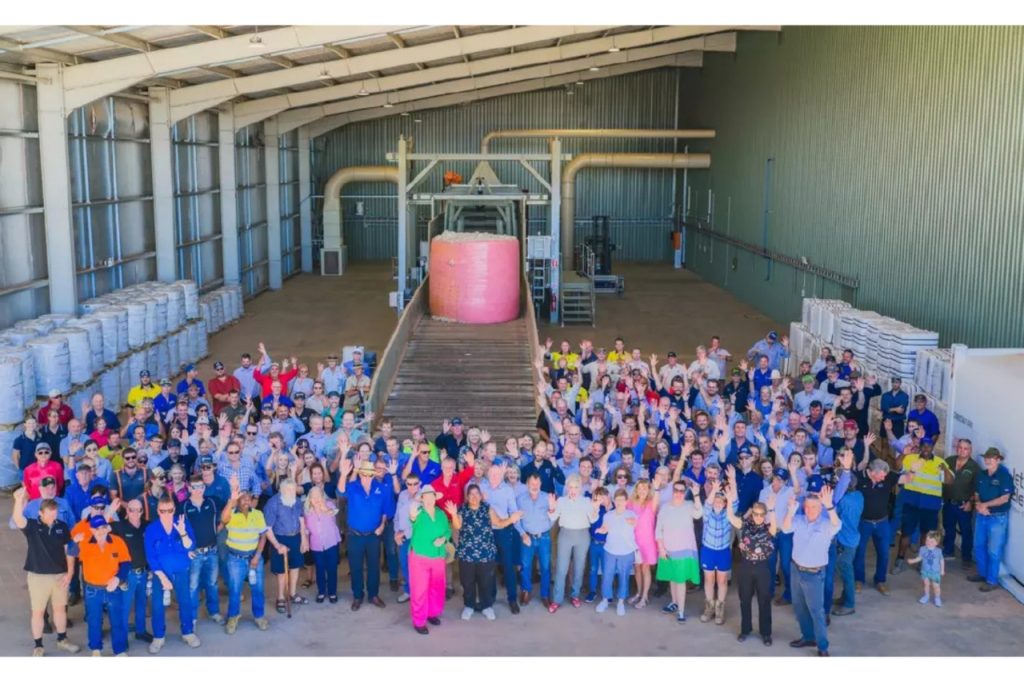
Australia’s newest cotton gin has officially opened in the Top End’s Ord River Irrigation Area as expectations for the northern cotton industry hit new highs, defying the isolation and farming challenges testing its pioneers.
The Kimberley Cotton Company is set to crank up early stage processing from this season’s 80,000-plus bale local crop by the end of the month.
The $63 million three-stand Kununurra gin, with current capacity to handle about 150,000 bales annually, is being touted as providing the impetus for what could be a $1 billion cotton-related industry in northern Western Australia in the next decade.
The WA government has tipped more than 1000 jobs will be created as construction projects and expansion in the cropping and beef cattle sectors continue, including upgrades enabling more ag exports at the nearby port of Wyndham.
“Building this gin will open up a whole new ecosystem up here,” said Kimberley Cotton Company chairman, Jim Engelke.
“We’ll have cottonseed for the cattle industry – a whole new feeding opportunity – which will also support more production of hay and grain for stockfeed.
“Then throw in the increased land area also available for other irrigated crops (horticulture) and the work at the port increasing its capacity to handle container imports and exports.
“There’ll be a lot happening in the next 10 years.”
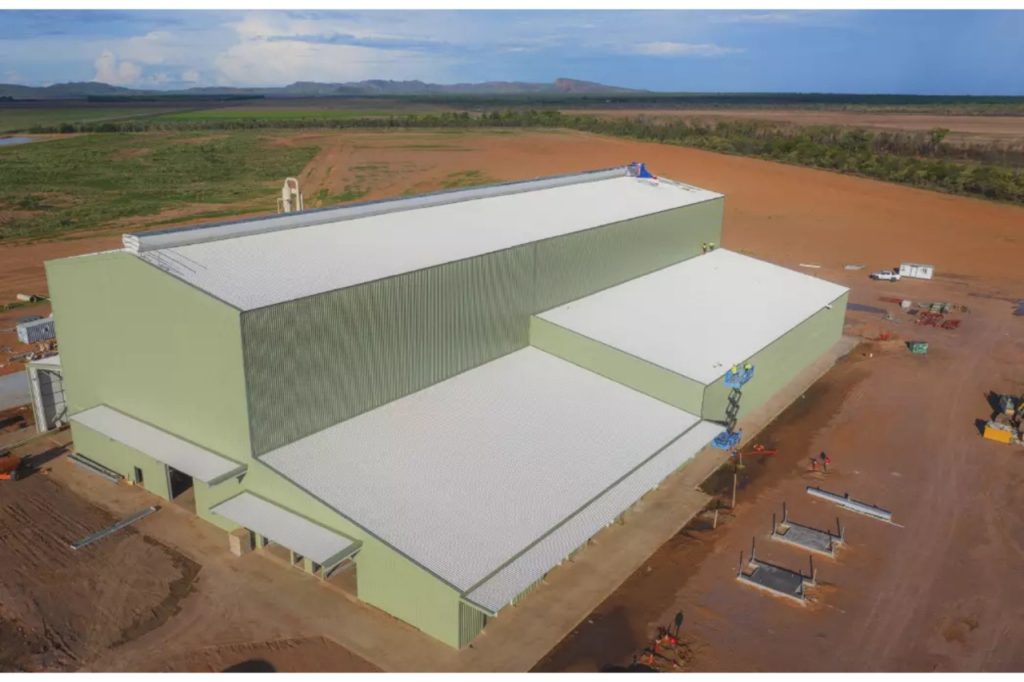
This year, 15 landholders have grown about 9700 hectares of cotton, the first bales from which were picked and ready to go to the spanking new local gin early this month.
Although cotton was first grown and ginned on a commercial scale in the Ord in the mid-1960s, the big ambitions for the fledgling Australian fibre industry in the well-watered Kimberley were defeated by heliothis caterpillars.
A rapid build-up in resistance to the basic insecticide technologies of the day meant the cotton industry survived only about eight years until about 1973.
Modern cotton varieties and insect control, plus better pest and crop health monitoring technologies and cropping systems, have enabled cotton’s northern Australian rebirth, particularly in the past five years.
However, until late 2023 when the Northern Cotton gin opened at Katherine, about 600 kilometres to the east in the Northern Territory, bales from the Kimberley had to be trucked 3513km to Dalby in southern Queensland for processing.
The new Kununurra gin will be run by Australia’s pioneering cotton ginner, the 63-year-old Namoi Cotton, which was last year bought by global agricultural commodities giant, Louis Dreyfus Company.
Namoi (now LDC) is also a shareholder in Kimberley Cotton Company with other founding partners, the Kimberley Agricultural Investment (KAI) farming group; Prime Grain, owned by former GrainCorp chairman and prominent northern Queensland and WA cotton country developer, Ron Greentree; the Ord River District Co-operative’s farm services business, and local native title holders represented through the MG Corporation.
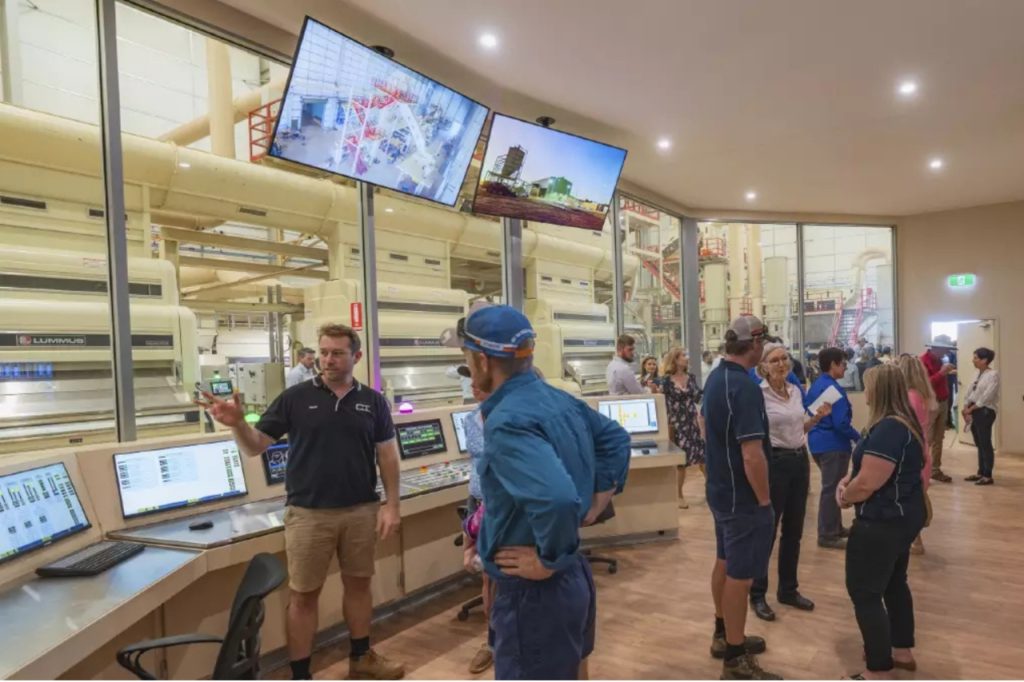
The WA and federal governments have been key supporters, too, with about $9m in funds from Perth supporting the project and the supply of hydroelectric power to the site, and $34m in development loans through Canberra’s Northern Australia Infrastructure Facility.
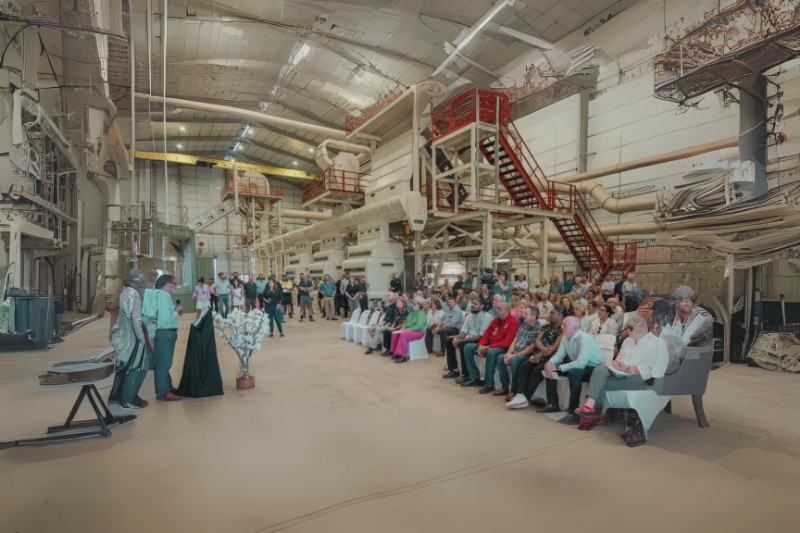
WA Premier, Roger Cook, and Federal Minister for Resources and Northern Australia, Madeleine King, were at the 80ha gin site for Monday’s opening ceremony.
Last year, the WA Government also unlocked 5500ha at Knox Plain to allow more cropping expansion via a development lease to the KAI and other partner growers to scale up irrigated cropping fed from the Ord’s massive Lake Argyle. Lake Argyle can hold up to 11m megalitres, or 18 times the volume of Sydney Harbour.
Mr Engelke, who is also general manager of KAI, the region’s largest cotton grower, believed the new gin and expanding cropping activity around Kununurra would push next year’s August-September cotton pick to about 130,000 bales, and possibly 150,000 in 2027.
The new gin will grow to five stands as lint production ramps up. KAI planted about 4500ha to cotton this year and will expand its total cropping area from the current 7000ha to about 10,000ha in 2026.
Louis Dreyfus Company’s US-based cotton platform leader, Joe Nicosia, acknowledged there were growing pains associated with Australia’s new cotton regions in WA, NT and Queensland, but he shared northern growers’ confidence in a bright future.
“I anticipate a straight growth trajectory for northern Australia,” he said.
Although, there will be a lot of trial and error with regard to weather, soil quality and management, and the availability of support services.
“We’re excited about what’s happening. There are some nice assets getting established now.”
LDC was a partner with the Katherine gin’s local owners, building and running the Northern Cotton site until ending that connection this month.
Namoi Cotton has also had ambitions to build a North Queensland gin.
However, those plans went on ice during the year-long takeover tussle for the company, which eventually saw LDC’s final bid against Queensland Cotton parent, Olam Agri, value the company at $159m.
“‘Northern Queensland is still in the assessment stage,’ Mr. Nicosia said.
He believes the northern region already has considerable processing capacity, so whether to build another gin will depend on factors such as farm output over the next few years, grower support services, trade and logistics flows, and grower returns.
‘It’s a bit of a chicken-and-egg situation,’ he said.
He also noted that over the past 18 months, global cotton consumption and market prices have remained in a ‘stagnant state.’
‘At present, I have not heard of any other new gin investment plans in the pipeline.’”