Agricultural land has proven the stand-out investment in Australia’s $11 trillion property market, smashing even Sydney and Melbourne’s runaway housing markets.
A new report released on Tueday shows that values for agricultural land had risen an impressive average 256 per cent over the last 20 years, compared to 154pc for housing, 164pc for industrial property such as warehouses and factories, and 143pc for commercial property including offices and shops.
The Australian Property Institute report launched at a four-day Global Property Congress in Sydney says on an annual basis, agriculture rose 12.8pc, housing 7.7pc, industrial property 8.2pc and commercial property 7.2pc.
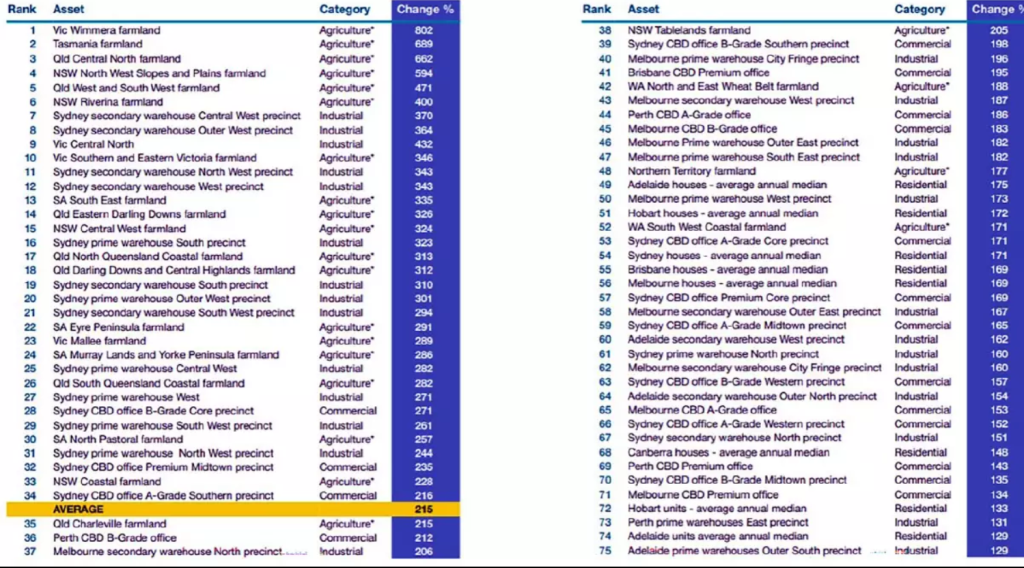
The historically grain and sheep dependent Wimmera in western Victoria is ranked as Australia’s best performing property region, with a staggering average price increase of 802pc over 20 years.
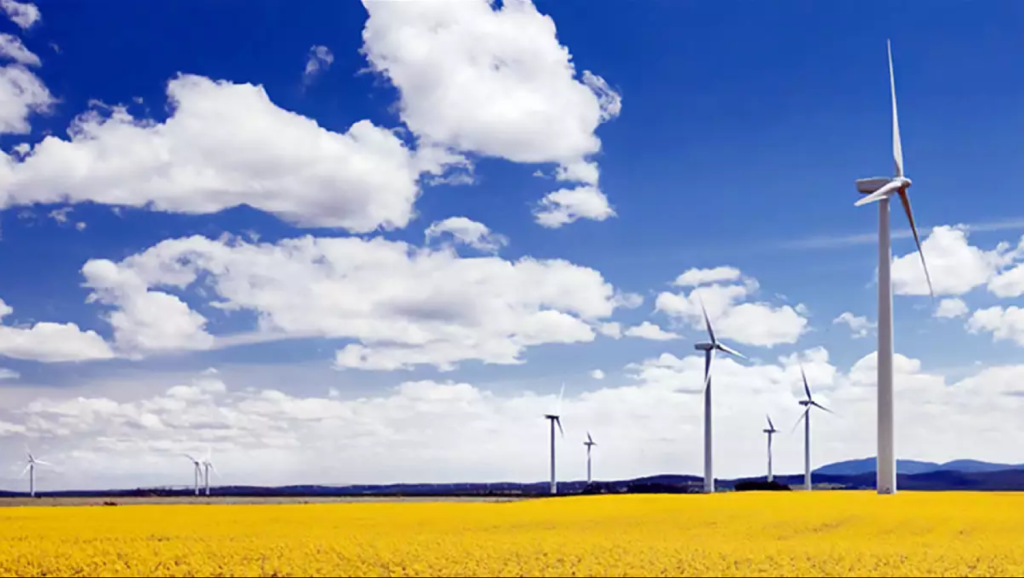
The report says the massive increase is underpinned by renewable energy projects.
While the Wimmera lays claims to being the best-performing region, it is Tasmania that has proven the best state for investors.
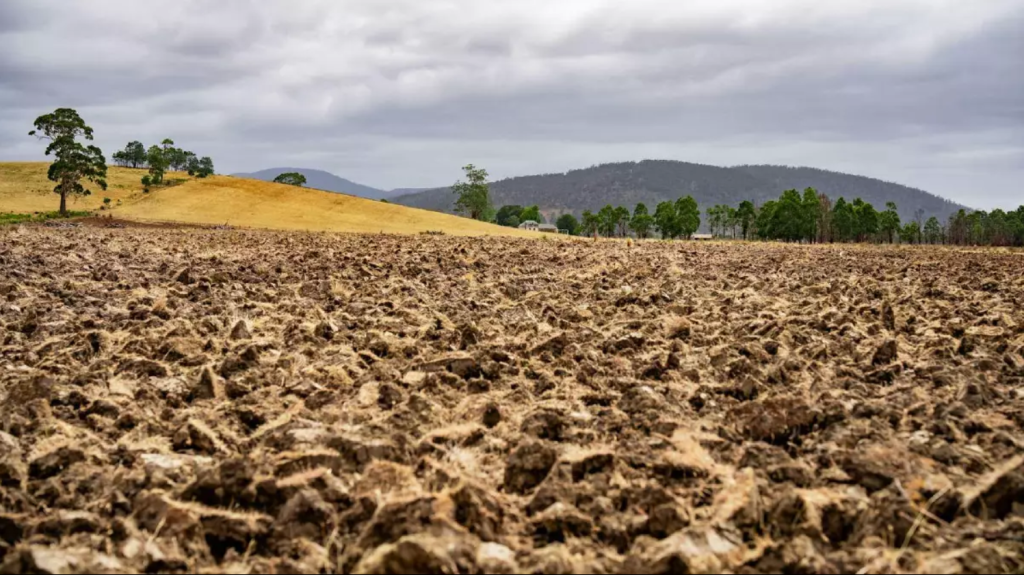
Agricultural land in the Apple Isle increases a massive 689pc, ahead of Victoria on 362pc, Queensland 332pc, South Australia 282pc, NSW 276pc, the Northern Territory 195pc, and Western Australia 133pc, to deliver a national average of 256pc.

Sydney industrial warehouses emerged as the highest performing non-farm property sector over the past 20 years with a return of 261pc.
The API report analyses the price growth for Australian housing and compares it with industrial, commercial and agricultural property in each state and territory for the first time, to reveal the most astute investors of the last generation.
Overall, the runaway winner is farming, which has also been powered by high commodity prices, favourable weather conditions in parts and, until recently, low interest rates.
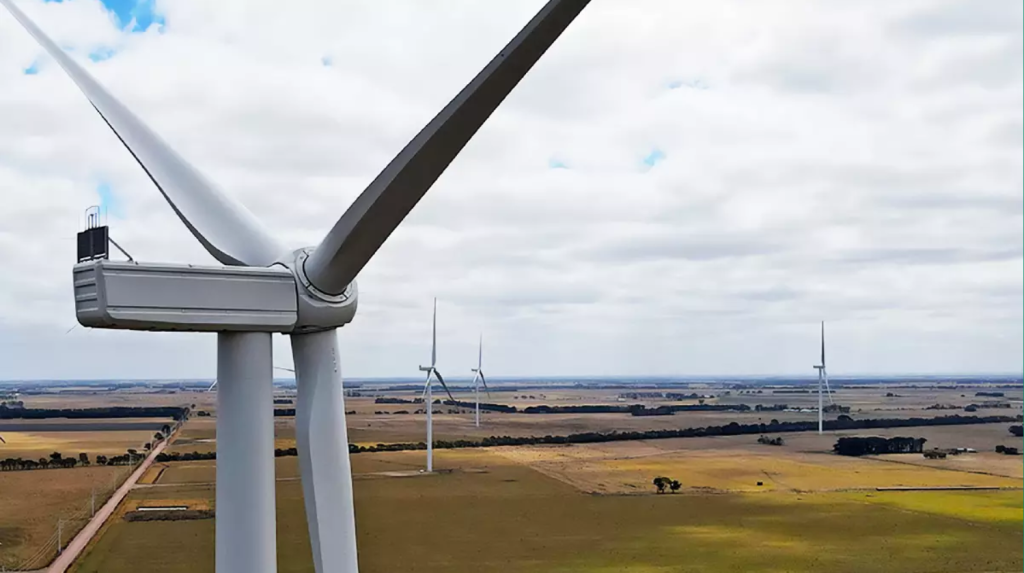
In a ranking of Australia’s top performing assets, 22 of the top 50 classes – including the first six – are agricultural regions across Australia.
API chief executive officer Amelia Hodge said Ms Hodge said Australia was at an inflection point in its history with one of the fastest growing populations in the OECD, fuelled by record immigration.
“Our economy is being transformed by the structural shift from fossil fuels to renewables, which will benefit the planet, but in some areas threatens the ongoing viability of scarce agricultural land, to be replaced by vast new solar energy farms,” Ms Hodge said.
According to the API, Adelaide house prices rose 175pc between 2005 and 2024, followed by Hobart (172pc), Sydney (171pc), Brisbane (169pc), Melbourne (169pc), Canberra (148pc), Perth (123pc) and Darwin (102pc).
The increases includes 67pc inflation during the same period.
The report found while values increased had substantially over the last 50 years, the ability of Australians to purchase a home has worsened.
In 1975, Sydney homebuyers needed 4.2 times average annual ordinary time earnings to buy a home. By 2024, it was 13 times.
In Melbourne the figure has doubled from 3.5 times to 8.4 times and in Brisbane it has almost tripled from 2.9 times to 8.3 times.