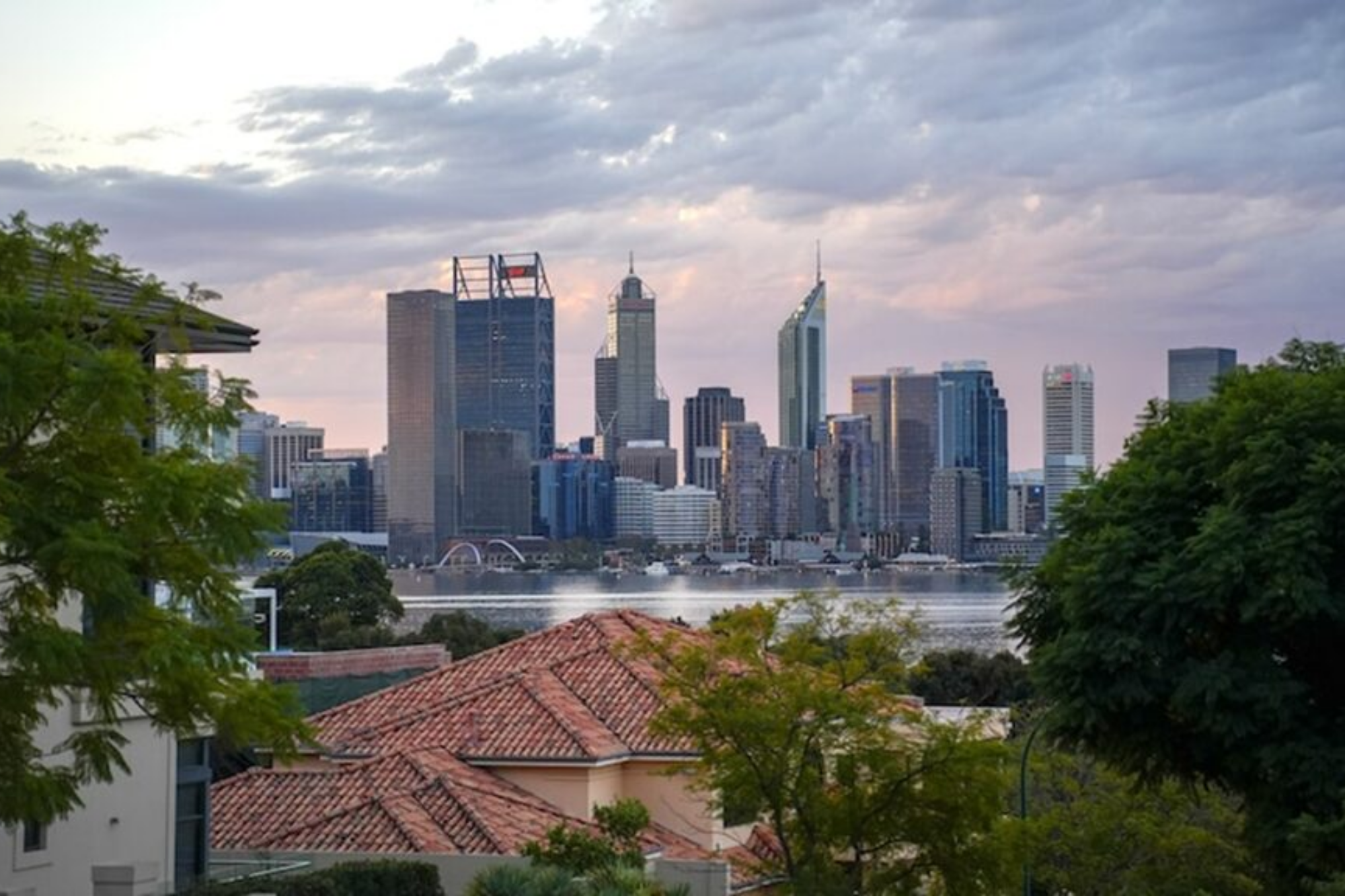
New Home Construction Rate 24.8% Above the Decade Average
[Perth Correspondent]
According to the latest report from the Commonwealth Bank of Australia (CBA), although Western Australia’s economic growth rate ranks second to last among all Australian states, it once again claims the title of the nation’s best-performing economy.
After lagging behind for more than a decade, Western Australia rose to the top in October 2024 and has maintained that position for twelve consecutive months.
Strong household spending, population growth, and housing finance have contributed to the state’s success. Queensland moved up to second place driven by household spending, while South Australia ranked third. The Northern Territory climbed from eighth to fourth, supported by robust domestic demand. Victoria ranked fifth, followed by Tasmania, New South Wales, and the Australian Capital Territory.
South Australia led in overall economic growth, with an 8.7% increase in economic activity in the second quarter of 2025 — in line with its long-term average. Tasmania recorded the weakest annual growth, followed by Western Australia with 3.62%. As a major mining state, Western Australia has ranked among the top states in the CommSec State of the States report for five consecutive years.
The report evaluates Australia’s leading economies based on multiple financial indicators.
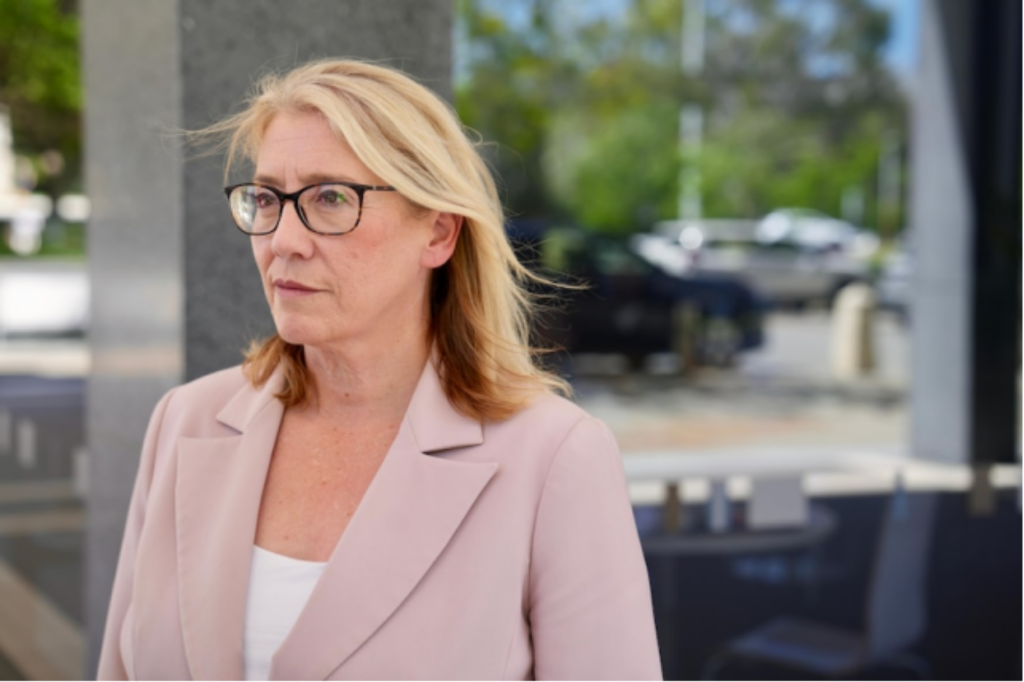
Western Australia’s Deputy Premier and Treasurer Rita Saffioti said this was an achievement worth celebrating:
“In the past, Western Australia did not perform well in the report, but maintaining first place for five consecutive quarters is unprecedented. We are very proud of this result.”
She added that the volatility of Western Australia’s export industry can negatively affect growth, as events such as cyclones that temporarily close the Pilbara region can have a significant impact on economic data. “Our figures are easily affected by fluctuations in certain export products,” she said.
Western Australia led the nation in new home construction, with dwelling starts 24.8% above the ten-year average. Saffioti noted that population growth, wage increases, and low unemployment have driven the housing industry’s expansion.
Housing Minister John Carey stated that the government had introduced a series of measures to increase housing supply, and the report’s findings demonstrated that state investment in housing was working.
The report also found that Australia’s overall economic performance had been supported by easing inflation, lower borrowing costs, rising real wages, and a rebound in housing investment.