The Metro Vancouver Regional District board of directors voted Friday to approve changes to its developer fee regime, which has been criticized by builders who say the fees make it hard to deliver affordable housing.
The Metro Vancouver board endorsed changes to development cost charge (DCC) categories and definitions at its Oct. 3 meeting following public engagement that included an online survey, three workshops and outreach.
The board adopted the changes without debate. The changes will now be incorporated into a planned 2027 DCC program update, alongside updated population projections and capital plans, to inform new rate structures effective in 2028.
Key changes
he new updates to the DCC regime focus on three priority areas: small-scale multi-unit housing, colloquially known as multiplexes; non-residential development; and agricultural developments with low environmental impact, said a staff report published ahead of Friday’s meeting.
“These updates aim to better reflect the diversity of development scenarios across the region and ensure that different housing types are appropriately categorized for DCC rate purposes,” said the report.
- Apply the lowest apartment rate category on a per-unit basis to laneway homes;
- Apply the townhouse rate category on a per-unit basis to duplex developments;
- Apply the apartment rate category on a per-unit basis to triplex and multiplex developments;
- Add and refine definitions within the DCC bylaws;
- Establish distinct definitions and rate categories for industrial, commercial, institutional and agricultural development;
- Explore a permanent waiver or reduction bylaw for agricultural development;
- Explore a DCC reduction bylaw for other low-impact uses.
DCC increases
Metro Vancouver charges DCCs in order to pay for water and liquid waste infrastructure upgrades needed for new development. The regional body is revising the program, and while new rates will take effect in January 2028, steep increases are still set to occur before then.
The total regional DCC for a new apartment in the Vancouver sewerage area was $6,249 last year. It escalated to $13,392 this year, and will rise further to $17,873 in 2026 and $20,906 in 2027. That’s a total increase of 235 per cent.
Developer reaction
“We’re taxing new homes at the same rate, relatively, as we do cigarettes,” said Kevin Layden, president and CEO of Wesbild Holdings Ltd., of the various fees and taxes on developers.
“I can’t say I blame Metro because that infrastructure’s required in order to expand housing, but there needs to be another way to help fund that infrastructure than just putting it on the cost of new homes and passing it on to new buyers.”
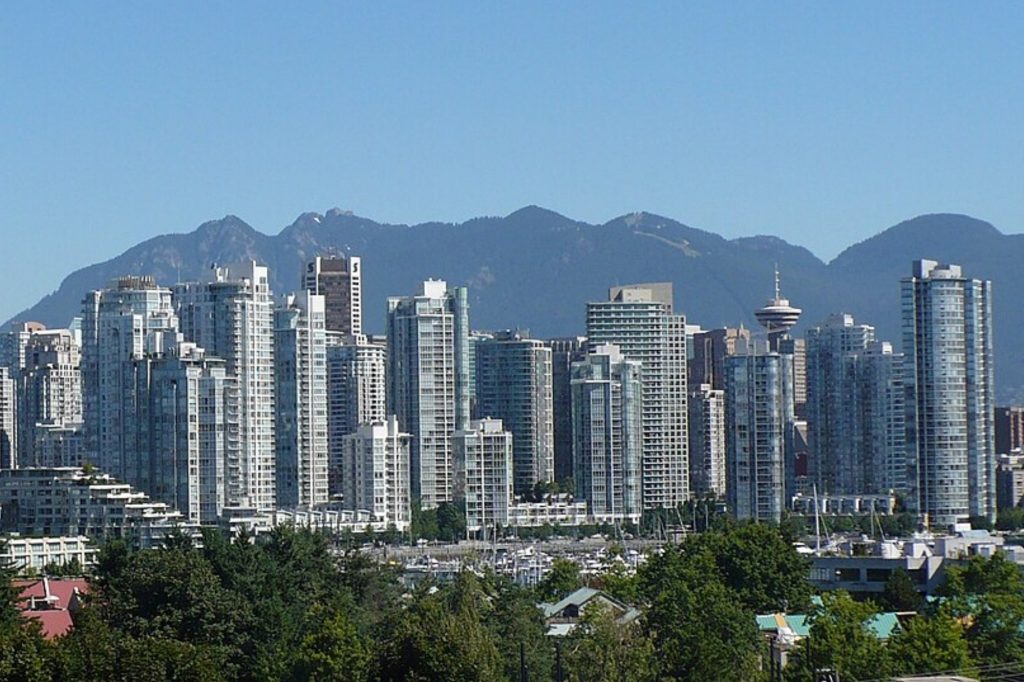
Layden said current DCCs assume the market is very robust, when it’s not. He noted that in July, the provincial government stepped in and granted eligible projects an extra year to access the lower 2024 DCC rates. Still, projects that are further out may not qualify and could be cancelled if the higher DCCs make them uneconomical, he said.
Federal government stance
Federal Housing Minister Gregor Robertson told the Union of BC Municipalities last week that his government is “looking at an approach to roll out later this year” that could reduce developer fees while ensuring continued infrastructure investment.